Wow, I’ve never been to a more poorly run restaurant in my life than Springfield’s new Kiku restaurant. And I’m not exaggerating. It really is number one on my list. On Valentine’s Day, Mrs. TEH and I went there without reservations and were turned away. They told us we needed reservations. OK, fair enough, we went elsewhere.
This past week, we tried to make reservations there for a group of us who often go out together and were told they no longer take reservations. OK, fair enough. So we get there Saturday night and put our name in. We were told by the manager that he can’t figure out how to do reservations right and he really has no idea how long the wait is, but he says expect to wait 90 minutes.
We head into the “bar” only to find out that the bartender had called in sick and there was no one to serve drinks. So the place is a giant waiting area where the restaurant is losing a fortune on people who would otherwise be buying drinks. Due to the long wait time, several in our party headed next door to Mariah’s to drink at their bar. Apparently, a lot of people were doing this that night.
I ran into one person who was told there was a 90 minute wait, put his family’s name in and then left for half an hour. When he came back, he was told his name had already been called and he was put on the bottom of the list again.
Several of us stayed in the non-serving bar to hold our spot on the list. I noticed on the walls of the bar were the old cables that once ran to TVs when the place was a sports bar. Not only had the new management not replaced the TVs, but they had left the wiring just randomly coming out of the wall. Soon I noticed that every once in a while someone could actually talk one of the waitresses into getting them a drink, but those opportunities were few and far between. I felt like I was in some third world bar where service and product were only intermittently available.

After about 90 minutes, we noticed that people who came in after us (and farther down on the seating list) were getting seated. Apparently, the same genius manager decided he would continue to seat the parties of two or three or even five and not mess with us because there were ten of us. So we all walked out and went elsewhere. (Well, some of us were already elsewhere - Mariah’s). I don’t expect to be back anytime soon.


 What huge fucking scumbag. Our modern GOP: bigots, cowards and liars.
 The other good news in CFLs is that over the last couple of years I’ve been able to find them in more shapes and sizes, allowing them to fit in most lamps and providing a more decorative look beyond the traditional “spiral” design.
 The good news is, we could minimize the effects and certainly have time to do it. The other bad news is, we won't.


 Springfield: Home of the Gail Simpsons!


 Well, who knows. I only bring this up because of the AIG operation here in Springfield that employs hundreds of people. I have no idea if or how any of this relates specifically to the AIG operation here, but it does raise some concerns in my mind.
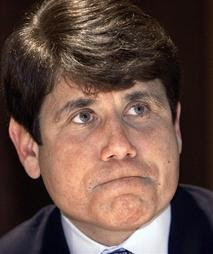 Seriously, I remember the last state tax increase over 20 years ago. It was very contentious. And while it’s still early in the debate, the even larger state income tax hike being proposed by Governor Quinn has a pretty good chance of passing with only minor opposition. Why? Well, state government is in pretty dire financial straits for one thing. But Blago told us we should never raise taxes so that triggers the BOE in us all, making hiking taxes much easier. We’ll see how it goes, but the Blagojevich legacy just might make the hard decisions easier.
 Yes, a whopping 14 percent think the stock market is the most important economic issue. And that’s just economic news, not even news overall. Yet, just this morning, topping the news at a local radio station, was stock market news. I know it’s easy and understandable but it really isn’t important or useful.


 …but it’s a far cry from the incomparable Flying Sub of my youth.


 But back to the story. I think it would be great to have high(er) speed rail between Chicago and St. Louis with a stop here in Springfield. When going to Chicago (downtown, anyway), my preferred method is by train. In the process, I’m keeping one more car off the road, don’t have to worry about parking, and can relax on the trip.


 I don’t pretend to know anything much about the business of newspaper management but this sounds right (“truthy”, perhaps). If papers need to make cuts, shouldn’t it be in the area of opinion and other features that the internet handles better? Who needs the Op-Ed page and letters to the editor and movie reviews and travel tips when the internet is so full of that stuff already for free? I say this in the context of having to make choices between actual reporters and this other stuff. On the other hand, it may be the other stuff is what actually moves the papers, in which case there really is no economically viable market for newspaper reporting anyway and we’re all screwed.


 And aside from a few harmless comments from Daughter #2, most of the kids I’ve come into contact with who also have Facebook pages, are OK with frighteningly old people like myself being there. Unless they're just being nice to a kindly old gentelman.

 Kevan Kavanaugh’s commentaries can be heard regularly on AM 970 WMAY.
